


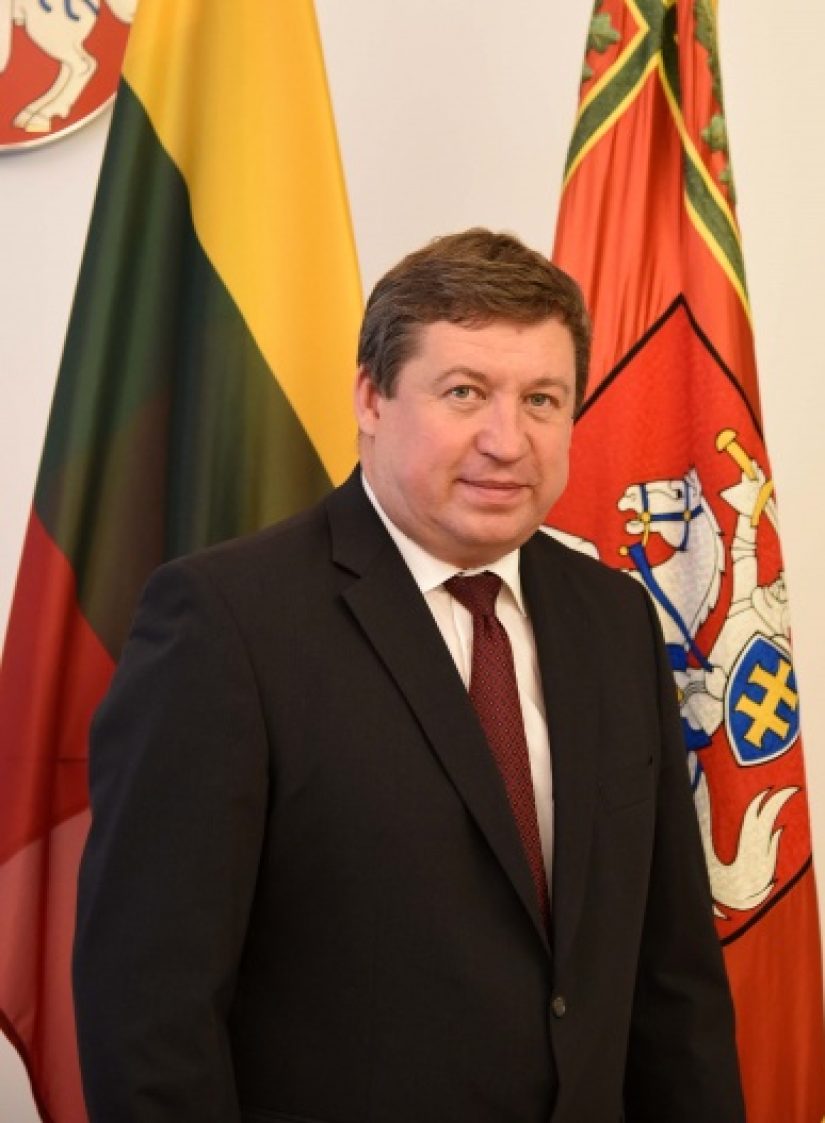
On November 11–12 Minister of National Defence Raimundas Karoblis will attend the European Union Foreign Affairs Council meeting on Defence Issues in Brussels. The ministers will discuss further implementation of the EU Permanent Structured Cooperation (PESCO) and ways to increase coherence among EU defence initiatives.
A separate session will be dedicated to the ongoing EU operations and missions and a European Defence Agency’s (EDA) Defence Ministerial Steering Board will take place. The EU Defence Ministers will have a working lunch with NATO Deputy Secretary General M. Geoana, discuss EU-NATO cooperation.
The Permanent Structured Cooperation (PESCO) is an instrument laid out in the Treaty of Lisbon, for deepening the cooperation in security and defence area for those EU member states that have military capabilities meeting higher criteria and are bound by greater commitments.
Lithuania’s priorities in PESCO are to improve the interoperability of the EU military forces and to strengthen cooperation in the development of prioritized capabilities. 34 PESCO projects were launched by 2019 and are underway.
Lithuania’s main focus is the implementation and management of the PESCO project on the EU Cyber Rapid Response Teams (CRRTs) and Mutual Assistance in Cyber Security. 8 EU member states take part in one of the most significantly progressed PESCO projects.
The multinational CRRTs comprise 6 to 8 cyber security specialists. The CRRTs could respond to cyber incidents within 72 hours from receiving requests from states, EU institutions, or military operations and missions. The teams could also take preventive action – carry out cyber vulnerability assessments. The multinational CRRTs are designed to ensure resources of states and institutions are used in the most effective manner when managing cyber threats. The first CRRT formed in the framework of this project has entered standby earlier in 2019.
Lithuania’s absolute priority within PESCO is the initiative for improvement of military mobility in Europe as it is designed to ensure timely deployment of allied forces in Lithuania and the entire Baltic Sea region. Successful movement of allied forces in NATO and EU territory is an important factor of deterrence and response to emerging threats.
In that context, Lithuania focuses its effort on adjusting Lithuanian and regional infrastructure to military mobility requirements and simplification and synchronization of military transit procedures within Europe.


