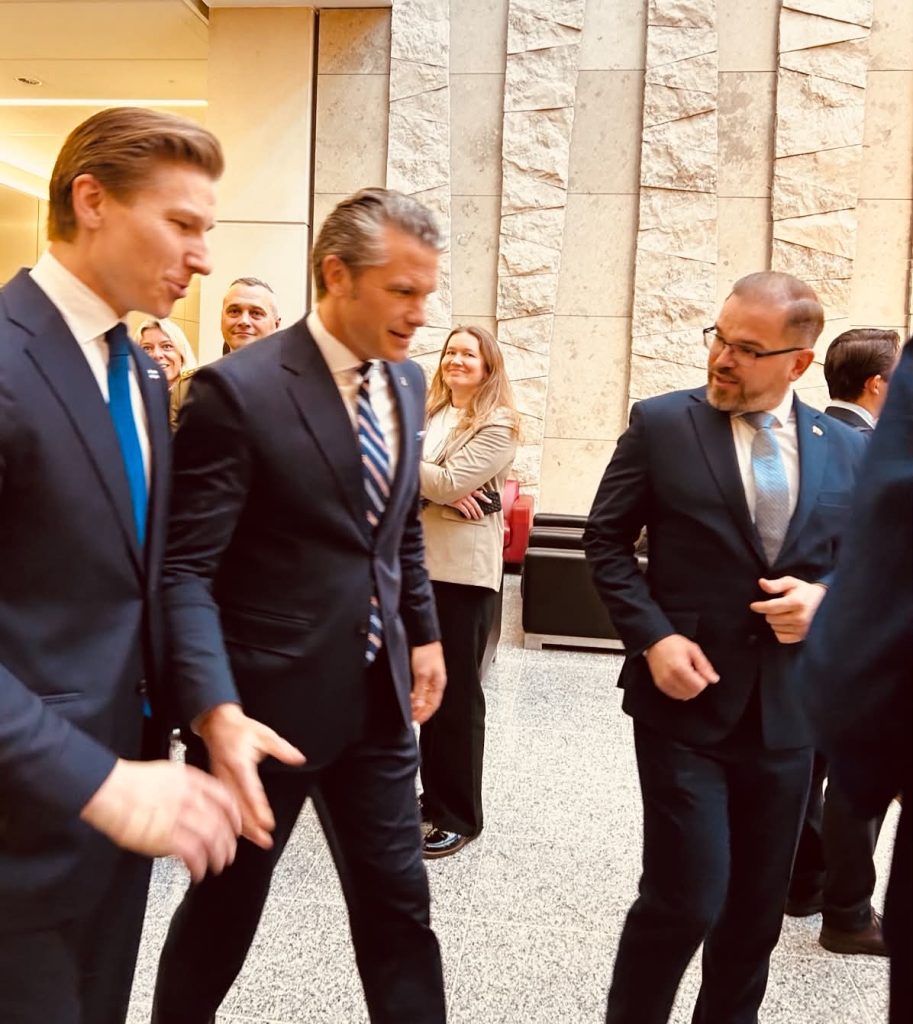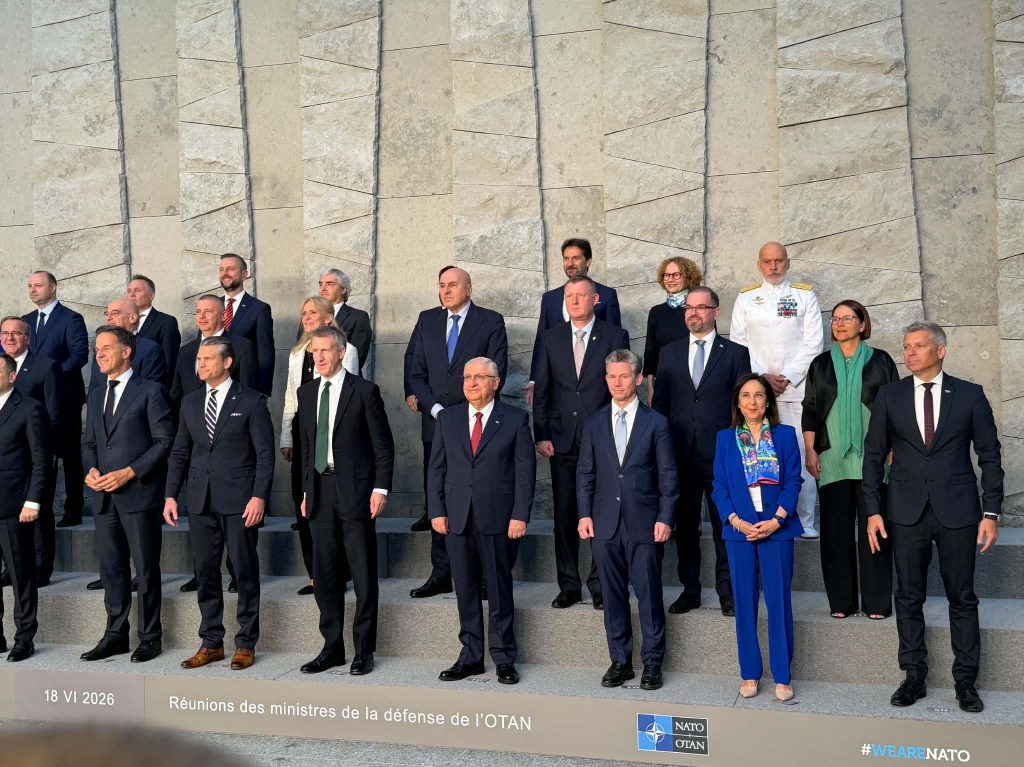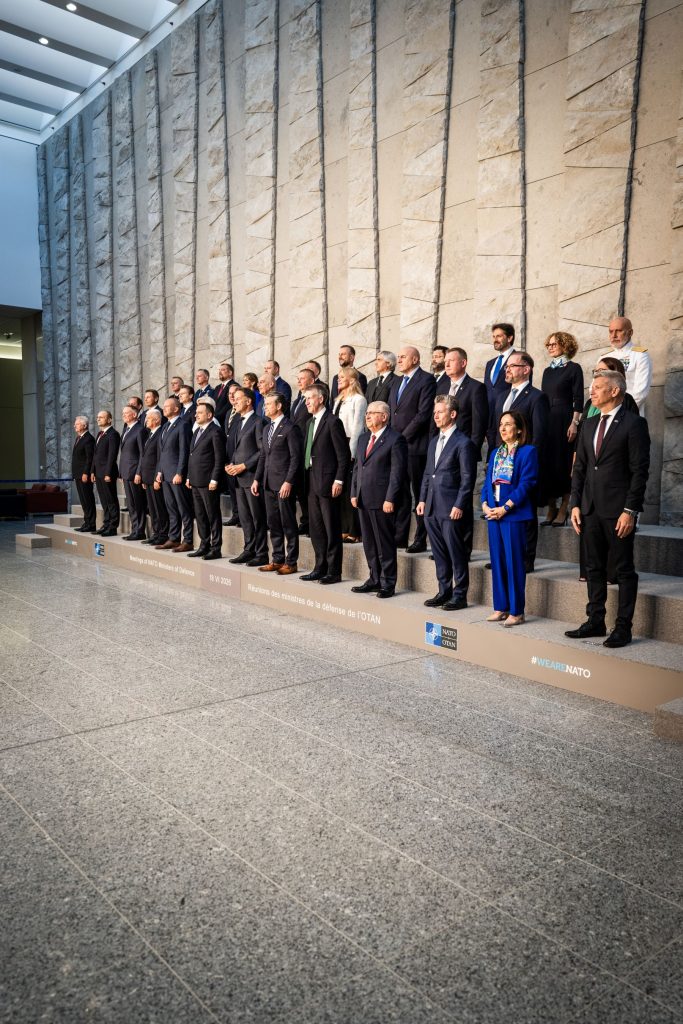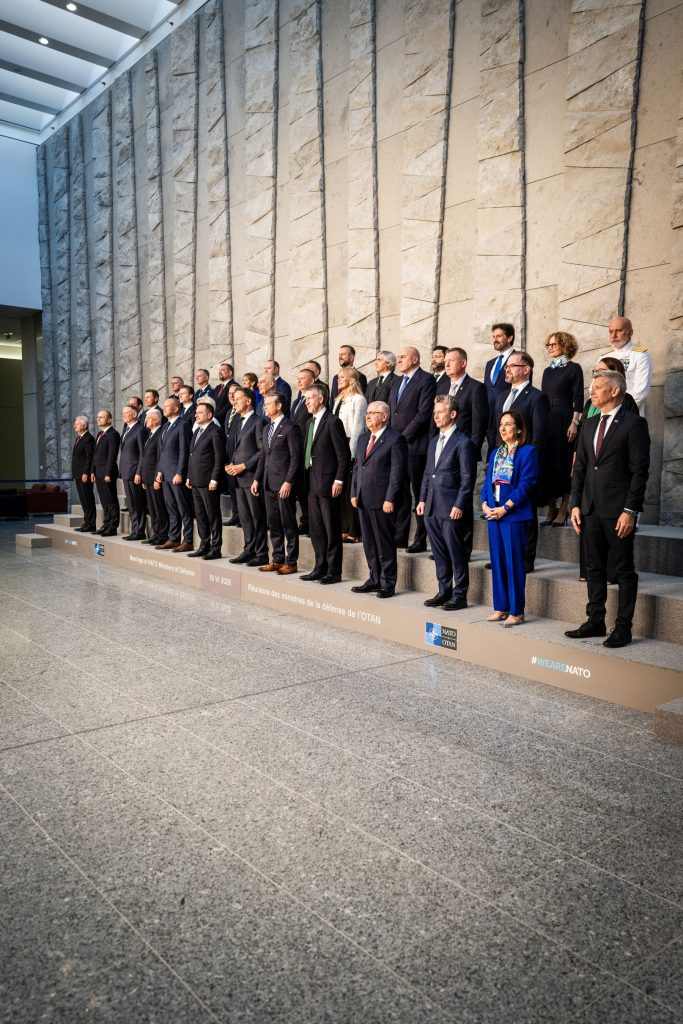
On June 17-18 Minister of National Defence Robertas Kaunas took part in the NATO Defence Ministers’ meeting in Brussels. The major themes on the agenda were strengthening collective defence, especially development of the European defensive capabilities, preparation for the upcoming NATO Defence Summit in Ankara, increasing defence spending and air defence, including counter-drone measures. Also, sustained assistance to Ukraine was in focus at the meeting.
“Over the year, we have witnessed a fundamental resolve of the Allies to invest in security. The European Allies and Canada dedicate over USD 90 billion which is nearly 20% more than in 2024. Lithuania demonstrates leadership of this upward trend with our biggest percentage of investment Alliance-wide. Half of Lithuania’s 5.38% of GDP defence budget is used for large-scale acquisitions. This is a clear signal to defence industry to ramp up their production capacity and invest in technological advancement,” said Minister of National Defence Robertas Kaunas.
Minister underlined that the increasing European and Canadian investments in defence are a sign of a significant milestone in fair burden-sharing and taking more responsibility for collective defence. At the same time, the distribution of responsibilities highlights the need for the Allies to intensify their capability development.
“Lithuania is not just increasing defence spending at a high pace. We are determined to provide tangible defence capabilities – essentially all of our wartime infrastructure is included in the implementation of the NATO defence plans. It is a clear sign of taking responsibility and commitment to collective defence and strengthening the region,” R. Kaunas.
The Nuclear Planning Group released its first public statement in 19 years, underlining that the Allied strategic nuclear capabilities were the supreme security guarantee and central pillar of NATO’s architecture of deterrence. Ministers agreed to continue strengthening NATO’s nuclear deterrence mission through the modernization of NATO’s nuclear capabilities, the improvement of its nuclear planning capacity, and the adaptation required to deliver on its security goals.
Minister of Defence of Lithuania also met with Minister of Defence of France Catherine Vautrin with whom he discussed the planned capability acquisitions and bilateral cooperation. Robertas Kaunas also underscored the importance of receiving the CAESAR Mk2 system on schedule.
Meeting bilaterally with Minister of Defence of Sweden Pål Jonson, Minister Robertas Kaunas discussed strengthening counter-drone capabilities and progress made on the planned CV90 combat vehicles.
When meeting the NATO Ukraine Contact Group format, Ministers discussed ensuring sustained long-term assistance to Ukraine. Minister R. Kaunas highlighted that Ukraine was in need of stability and investment, as well as a serious impetrative to strengthen the commitments of the NATO Allies and continue military assistance.
Lithuania remains committed to at least 0.25% of GDP per year assistance. The assistance is distributed across several long-term areas: urgent needs of Ukraine, the Demining Coalition, international funds and collective initiatives, personnel training, rehabilitation of the injured, and contributions to the Capability Coalitions.
Ministers also discussed the topic of navigation in the Strait of Hormuz. Lithuania has mandated contribution of up to 40 military and civilian personnel of the National Defence System to the multinational maritime security and freedom of navigation operation in the Strait of Hormuz.