


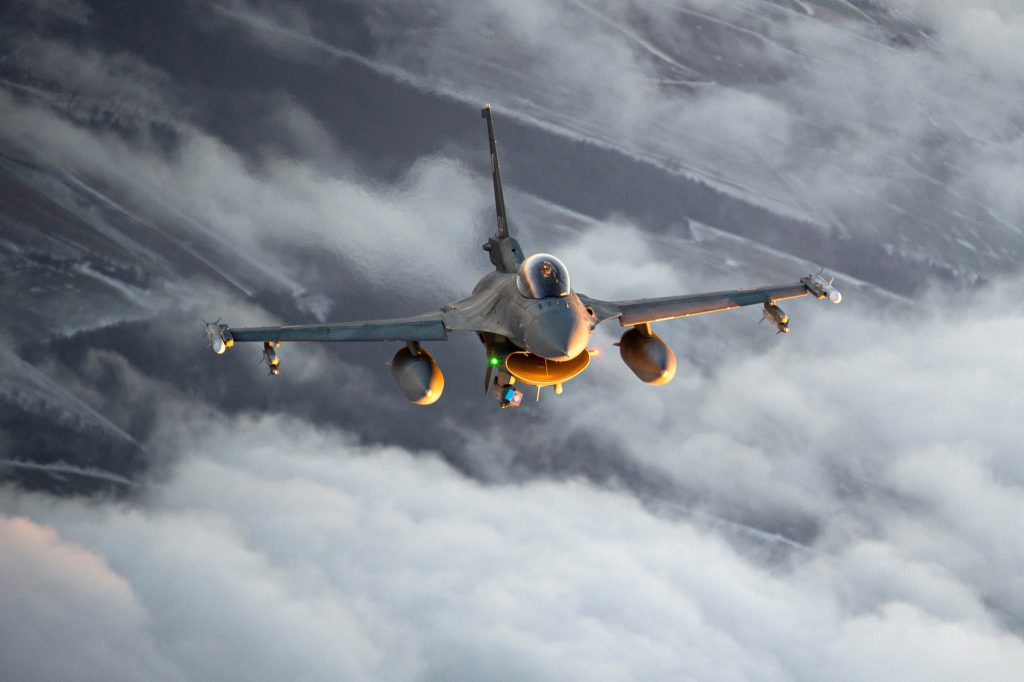
On January 29–February 5 NATO fighter aircraft flying the Air Policing Missions in the Baltic states were scrambled eight times to identify and escort aircraft of the Russian Federation in international airspace over the Baltic Sea flying in violation of flight rules.
On January 31 aircraft of the NATO Baltic Air Policing Detachment were scrambled to intercept one IL-76 flying from the mainland of the Russian Federation to Kaliningrad through international airspace. It had no pre-filed flight plan, its onboard transponder was not switched on, the crew was maintaining radio communication with the regional air traffic control centre.
On January 31 NATO fighter aircraft were scrambled to intercept one IL-20 flying from and back to Kaliningrad through international airspace. The flight had no pre-file plan, the crew had the onboard transponder off, though was maintaining radio communication with the regional air traffic control centre. Two SU-27s were also intercepted on the way from and back to Kaliningrad in international airspace. The aircraft had no flight plan, their onboard transponders were of, the crews were not keeping radio contact.
On January 31 NATO air policing fighter aircraft were scrambled to identify and escort two SU-30s flying through international air space from and back to Kaliningrad, without the flight plan, onboard transponders off, no radio communication with the regional air traffic control centre.
On February 2 NATO Baltic Air Policing fighter jets were scrambled to intercept one TU-154 flying from mainland Russia to Kaliningrad via international airspace. The flight had no pre-filed plan, the crew had the onboard transponder switched on and maintained radio communication with the regional air traffic control centre. NATO fighter aircraft also identified and escorted two SU-27s flying from and back to Kaliningrad, without the flight plan, onboard transponders switched off, no radio communication.
On February 2 NATO fighter aircraft were scrambled to intercept one TU-154 flying in international airspace from mainland Russia to Kaliningrad. The flight had no pre-filed plan, the crew had the onboard transponder on and maintained radio communication with the regional air traffic control centre. NATO aircraft also intercepted two SU-27 that flew into international airspace from Kaliningrad and returned. Their onboard transponders were switched off, now flight plans had been pre-filed, the crews did not keep radio communication.
On February 3 NATO fighter jets guarding the Baltic airspace were scrambled to intercept one IL-76 flying through international airspace from Kaliningrad to mainland Russia. Its onboard transponder was switched on, the crew had no pre-filed flight plan but maintained radio communication with the regional air traffic control centre.
On February 4 NATO air policing assets were scrambled to intercepted two TU-154 crossing over from Kaliningrad to mainland Russia through international airspace. One of the aircraft had, the other had no pre-filed flight plan, onboard transponders of both were switched on and the crews were keeping radio contact with the regional air traffic control centre. NATO fighter jets also intercepted four SU-27s flying out of and back to Kaliningrad without the pre-filed flight plans, without using the onboard transponders and not maintaining radio communication.
February 5 NATO air policing fighter aircraft intercepted one IL-76 and one TU-134 flying in international airspace from Kaliningrad to mainland Russia. The flights had no pre-filed plans, the crews kept the radio transponders on and maintained radio communication.
Photo credit: MoD/A.Pliadis


